Why Choose Galaxium Coding for Mobile App Development in 2026?
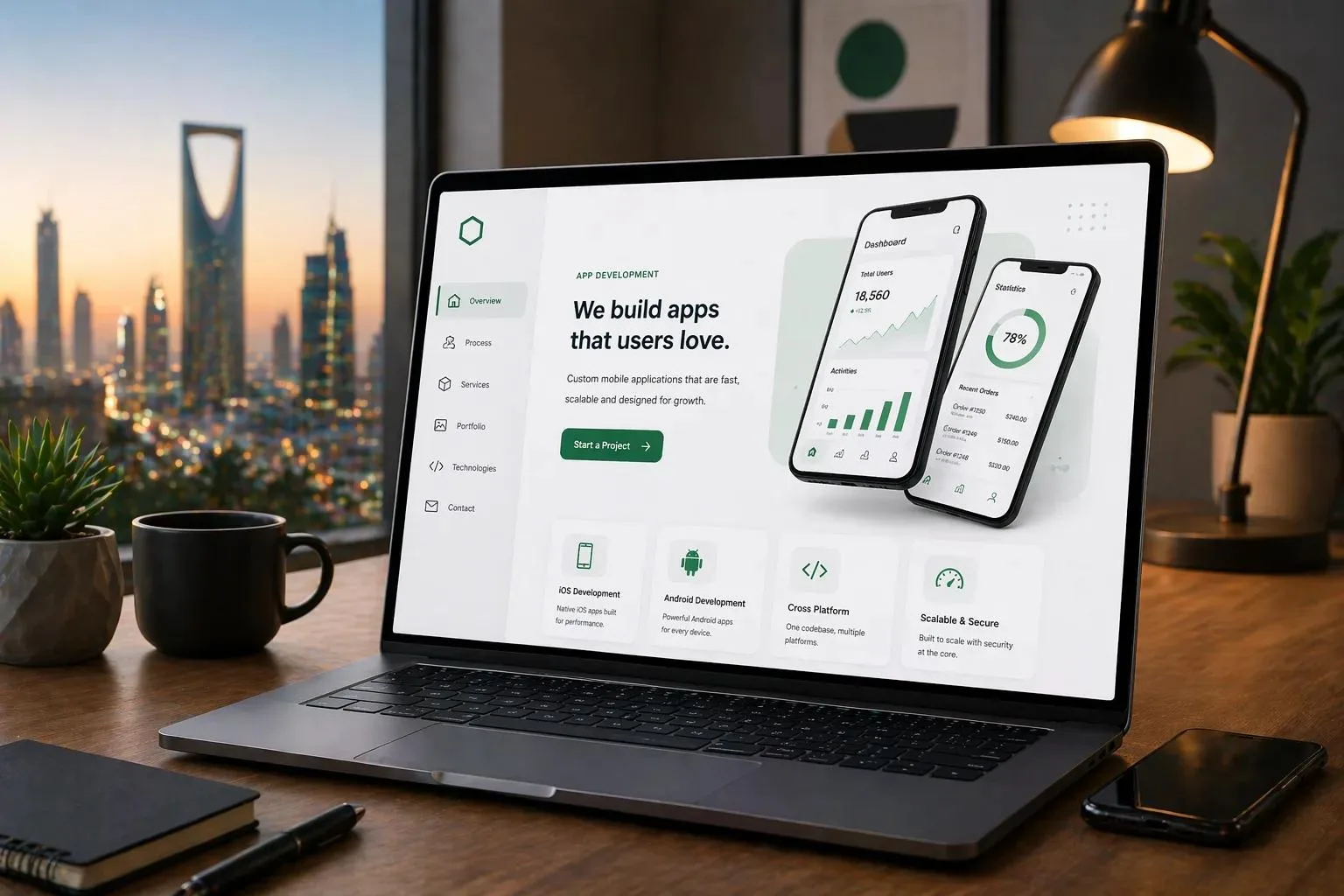
Galaxium Coding develops custom mobile applications with modern technologies, user-focused design, and scalable software architecture for businesses in Qatar and worldwide.
Why Choose Galaxium Coding for Mobile App Development in 2026?
Mobile applications have become an essential part of how businesses connect with customers, deliver services, manage operations, and compete in a digital-first economy. In 2026, a successful mobile application requires more than an attractive interface. It needs a reliable technical foundation, intuitive user experience, secure data handling, seamless integrations, and the ability to grow alongside a business.
Choosing the right mobile app development company is therefore an important business decision.
Galaxium Coding helps businesses transform their ideas into practical digital solutions through custom mobile application development, modern engineering, and connected technology services. From customer-facing applications and e-commerce platforms to business management tools, the objective is to create mobile experiences that address real business needs.
For companies in Qatar and across international markets, working with a technology partner that understands both software engineering and business objectives can make the development journey more structured and productive.
In this guide, we explore why businesses may choose Galaxium Coding for mobile app development in 2026, what to consider before starting a project, and how a well-planned application can support long-term digital growth.
What Makes Mobile App Development Important in 2026?
Mobile applications have evolved from optional digital channels into valuable tools for customer engagement, operational efficiency, and service delivery.
Businesses increasingly use mobile technology to make their services accessible, simplify transactions, and provide convenient experiences across different devices.
Changing customer expectations
Modern users expect applications to be easy to navigate, responsive, and reliable. They want to find information, complete transactions, receive updates, and access services without unnecessary complexity.
A poorly designed app can create friction, even when the underlying service is valuable.
Growing demand for business mobility
Mobile applications also help employees, managers, and business owners access essential information outside traditional office environments.
Depending on the use case, a business app may provide:
Real-time inventory information
Customer relationship management tools
Sales and order tracking
Appointment scheduling
Employee dashboards
Business reporting and analytics
Digital payments and notifications
The shift toward connected digital ecosystems
A mobile application rarely operates in isolation. It may connect to websites, databases, cloud infrastructure, payment gateways, CRM platforms, ERP software, and third-party APIs.
This makes architectural planning particularly important when businesses want an application that can evolve over time.
Why Choose Galaxium Coding for Mobile App Development?
Selecting a mobile app development partner involves evaluating technical expertise, development processes, communication, project requirements, and long-term support.
Galaxium Coding offers a technology-focused approach that brings mobile applications together with software development, web applications, API integrations, and cloud capabilities.
1. Custom mobile applications built around business needs
Every business has different objectives, workflows, and customer expectations. A ready-made application may provide useful starting functionality, but it may not accommodate specialized requirements.
Custom development enables businesses to define the functionality and experience they need.
Galaxium Coding's mobile application development services focus on developing digital products aligned with specific business goals.
Depending on the project, an application may include:
Customer registration and account management
Product catalogs and online ordering
Appointment booking and scheduling
User dashboards and personalized experiences
Notifications and communication features
Location-based services
Payment gateway integration
Administrative management tools
The advantage of a custom approach is that the application can be designed around the intended users and business processes instead of forcing the organization to adapt to an unsuitable system.
2. Cross-platform development for Android and iOS
Businesses often need to reach users across both Android and Apple devices.
Developing and maintaining separate applications can require different codebases, development workflows, and testing efforts. Cross-platform frameworks provide another approach by enabling developers to share substantial portions of application code across platforms.
Galaxium Coding works with modern mobile development technologies, including Flutter and React Native, depending on the requirements and technical suitability of the project.
Technology | Potential advantage | Suitable applications |
|---|---|---|
Flutter | Consistent UI and shared codebase | Business apps, e-commerce, service platforms |
React Native | Cross-platform development with a JavaScript-based ecosystem | Customer apps, interactive mobile products |
Native Android | Platform-specific capabilities and control | Android-focused applications |
Native iOS | Deep integration with Apple's ecosystem | iPhone and iPad applications |
The right technology is determined by the application’s features, performance requirements, development budget, integrations, and future roadmap.
3. User-focused UI/UX design
A mobile application's usability has a direct influence on how people interact with it.
Users should be able to understand the interface, find essential features, and complete tasks with minimal confusion.
A structured UI/UX process typically includes:
Understanding the target audience
Mapping user journeys
Organizing information architecture
Creating wireframes and prototypes
Designing accessible and responsive interfaces
Testing navigation and usability
Refining the experience based on feedback
Galaxium Coding emphasizes practical digital experiences that combine functionality with visual clarity.
For example, a mobile shopping application should make it easy for users to search products, compare details, manage their cart, and complete checkout. Each step should feel connected rather than fragmented.
4. Reliable backend and API development
The mobile interface is only one component of an application.
Most business applications depend on a backend that processes requests, manages information, authenticates users, and communicates with other systems.
Galaxium Coding also provides custom software development capabilities that can support the backend architecture of a mobile product.
A typical architecture may include:
Mobile application interface
Backend services and business logic
Database and data storage
Authentication and authorization
API communication
Administrative dashboard
Cloud hosting and infrastructure
This connected approach helps businesses avoid treating the mobile application as an isolated product when it needs to support broader operations.
5. Integration with existing business systems
Businesses may already use accounting software, CRM platforms, ERP systems, inventory tools, or customer databases.
A mobile app can become significantly more useful when it communicates with these systems.
Potential integrations include:
CRM systems for customer records and sales activities
ERP platforms for business operations
Inventory systems for stock availability
Payment gateways for online transactions
Mapping services for location-based features
Messaging services for notifications
Analytics tools for performance measurement
External APIs for third-party functionality
The integration strategy depends on available APIs, data structures, access permissions, and the capabilities of existing systems.
Galaxium Coding's broader software and web application development services can help support connected digital environments where mobile applications work alongside web-based systems.
6. Security-focused application development
Mobile apps can handle sensitive information such as customer details, account credentials, transactions, location data, and business records.
Security should therefore be considered throughout the development lifecycle rather than added only before launch.
Important considerations include:
Secure authentication and authorization
Encrypted data transmission
Appropriate protection for stored information
Secure API endpoints
Input validation and error handling
Role-based access controls
Dependency and vulnerability management
Security testing before deployment
Regular updates and maintenance
Businesses can also review the OWASP Mobile Application Security resources to understand established mobile security testing practices and common risks.
The specific controls required depend on the application's functionality, industry, and regulatory obligations.
7. Scalable architecture for future growth
An application that works for a small number of users may need additional architectural planning as adoption increases.
Scalability involves more than increasing server capacity. It may require thoughtful database design, optimized APIs, efficient application code, caching, monitoring, and infrastructure planning.
Galaxium Coding's Cloud and DevOps solutions can support businesses that need reliable deployment processes and infrastructure aligned with their growth plans.
A scalable foundation can make it easier to introduce new features, support increased usage, and expand into additional markets.
8. A structured development process
Successful software development requires clear communication, defined requirements, and regular review.
Galaxium Coding describes a development approach that includes architecture and UX planning, agile engineering sprints, and testing-oriented quality practices.
A structured process helps businesses understand what is being developed, review progress, and identify changes before they become expensive to implement.
Rather than treating development as a single delivery event, businesses should consider the entire lifecycle, from initial planning to post-launch improvement.
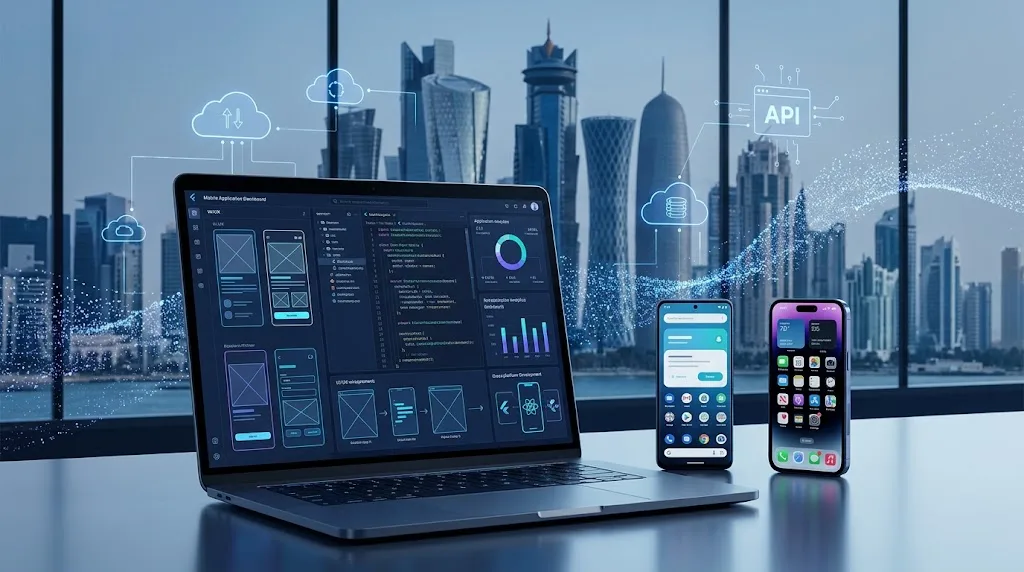
Galaxium Coding's Mobile App Development Capabilities
Different applications require different functionality. The following are examples of solution categories that businesses may explore when planning a mobile product.
Customer-facing mobile applications
Customer apps provide convenient access to products, services, information, and transactions.
Common features include:
User registration and login
Profile management
Product or service discovery
Search and filtering
Booking and ordering
Payment integration
Customer support
Push notifications
These applications are suitable for businesses seeking to improve customer access and service delivery.
E-commerce and shopping applications
Mobile commerce applications enable businesses to offer digital shopping experiences through smartphones.
Typical functionality includes product categories, search, product details, wishlists, shopping carts, secure checkout, order tracking, and customer accounts.
A well-designed commerce application should also connect with inventory and order management systems where required.
On-demand service and booking apps
Businesses providing delivery, transportation, healthcare, home services, or appointment-based services may benefit from specialized mobile platforms.
Depending on the business model, these applications may include:
Customer and service-provider accounts
Booking and scheduling
Location tracking
Service availability
Payment processing
Status updates
Ratings and feedback
Administrative dashboards
The development scope depends on whether the platform serves one user group or multiple connected user roles.
Enterprise and employee applications
Internal mobile applications can provide employees and managers with access to operational tools while working remotely or in the field.
Examples include:
Employee attendance and scheduling
Field service management
Sales reporting
Inventory management
Task allocation
Document access
Approval workflows
Operational dashboards
For organizations with specialized processes, a mobile application may complement an existing business software development solution.
A Real Project Example: Sahtna Mobile App
One of the projects featured in Galaxium Coding's portfolio is the Sahtna Mobile App, developed for Sahtna Pharmacy.
The application provides a mobile shopping experience for pharmacy, healthcare, beauty, and wellness products.
Its documented functionality includes:
Product catalog and category browsing
Product search and details
Featured products and promotions
Shopping cart and order management
Customer accounts and profiles
A bilingual-ready interface
Backend and database integration
The project uses Flutter for mobile development and Laravel for backend services.
This example illustrates how a mobile application can bring together user-facing commerce functionality and supporting backend systems within one digital product.
Businesses interested in reviewing additional work can explore Galaxium Coding's projects and portfolio.
Note: Project details are based on the company's published portfolio. Individual results and functionality vary by project.
How Galaxium Coding Approaches Mobile App Development
A well-managed development process helps reduce uncertainty and creates opportunities to review requirements, functionality, and technical decisions.
Step 1: Business discovery and requirement analysis
The first stage is understanding the purpose of the application.
Questions typically include:
What business problem should the app solve?
Who will use it?
What are the most important user journeys?
Which features are essential for the first release?
Does the application need Android, iOS, or both?
What existing systems need to be integrated?
What security and compliance requirements apply?
Clear requirements help establish a realistic project scope.
Step 2: Product planning and UI/UX design
Once requirements are defined, the team can plan the application structure, user journeys, and interface.
Wireframes and prototypes help stakeholders evaluate the experience before full development begins.
This stage also identifies potential usability problems and clarifies how users will navigate between screens.
Step 3: Technology selection and architecture
The technical team evaluates suitable frameworks, backend technologies, databases, APIs, and infrastructure.
Technology selection should be based on project requirements rather than trends alone.
For example, a simple informational application and a real-time logistics platform have different architectural needs.
Step 4: Development and integration
Development is organized around defined functionality and implementation priorities.
The frontend, backend, database, and external integrations are developed and connected according to the project architecture.
Regular reviews allow stakeholders to assess progress and provide feedback.
Step 5: Quality assurance and testing
Testing verifies whether the application behaves as expected across supported devices and usage conditions.
Depending on the project, quality assurance may include:
Functional testing
UI and usability testing
Device and operating system compatibility
API and integration testing
Performance testing
Security testing
Regression testing
Testing helps identify issues before users encounter them in production.
Step 6: Deployment and launch
The launch process may involve preparing application store listings, release assets, privacy disclosures, technical configurations, and production infrastructure.
For Apple applications, businesses should review the official App Store Review Guidelines.
For Android applications, the Google Play launch documentation provides guidance on publishing and distributing apps.
Store approval requirements and release timelines can vary, so launch planning should account for platform-specific review processes.
Step 7: Maintenance and continuous improvement
After launch, businesses need to monitor performance, respond to user feedback, address technical issues, and maintain compatibility with supported operating systems.
Ongoing improvements may include:
Bug fixes and security updates
Performance optimization
Feature enhancements
API and dependency updates
Analytics and usage monitoring
Infrastructure improvements
A maintenance strategy helps keep the application useful and dependable as business needs change.
Mobile App Development for Businesses in Qatar
Qatar's business environment includes organizations across retail, healthcare, education, logistics, hospitality, real estate, and professional services.
Mobile applications can support different operational and customer needs across these sectors.
Retail and e-commerce
Retail businesses can use mobile apps for product discovery, loyalty programs, online purchases, delivery tracking, and customer engagement.
Healthcare and wellness
Healthcare applications may support appointment booking, patient communication, service discovery, and access to relevant information.
Healthcare projects require particular attention to privacy, security, and applicable regulatory requirements.
Logistics and transportation
Logistics applications may include shipment tracking, delivery coordination, driver workflows, route information, and operational status updates.
Education and training
Educational mobile platforms can support learning materials, student communication, schedules, assessments, and digital learning activities.
Hospitality and tourism
Hospitality businesses may use apps for reservations, guest services, travel information, digital menus, and customer communication.
For businesses operating in Qatar, localization, language preferences, payment options, customer expectations, and applicable data protection obligations should be considered during planning rather than postponed until launch.
What Should Businesses Consider Before Starting a Mobile App Project?
Choosing a development partner is only one part of preparing for a successful application.
Businesses should also establish clear expectations about their own project.
Define the primary business objective
A mobile app should have a clear purpose.
Examples include:
Improving customer accessibility
Increasing digital sales
Simplifying appointment booking
Automating internal workflows
Reducing manual processes
Supporting field operations
A defined objective helps prioritize features and measure progress.
Separate essential features from future enhancements
Not every feature needs to be included in the first release.
A Minimum Viable Product (MVP) focuses on the essential functionality needed to test the product's value.
This approach can help businesses validate assumptions before committing to a larger development scope.
Establish ownership and access
Before development begins, clarify ownership of the source code, design assets, project documentation, hosting accounts, and third-party services.
These arrangements should be documented in the project agreement.
Plan for maintenance
An application requires ongoing attention after launch.
Businesses should consider update frequency, technical support, infrastructure costs, security maintenance, and future feature development when evaluating the total cost of ownership.
Frequently Asked Questions
Why should I choose Galaxium Coding for mobile app development in 2026?
Galaxium Coding offers mobile application development alongside custom software, web applications, API integration, and cloud capabilities. This connected technology approach can help businesses plan applications that align with their objectives and existing systems.
Does Galaxium Coding develop Android and iOS applications?
Galaxium Coding works with cross-platform mobile technologies such as Flutter and React Native, depending on project requirements. The appropriate approach is determined by the intended platforms, features, and technical scope.
Can Galaxium Coding build a custom business mobile app?
Yes. Businesses can explore custom mobile applications designed around their workflows, customer requirements, and operational needs. The final functionality is defined during project discovery and planning.
Can a mobile app integrate with existing business software?
Integration may be possible through APIs and other supported interfaces. Feasibility depends on the existing software, available documentation, access permissions, and technical requirements.
How much does mobile app development cost in 2026?
The cost depends on application complexity, platform requirements, design, backend development, integrations, security, testing, and ongoing maintenance. A project-specific estimate requires a clear understanding of the scope and functionality.
How long does it take to develop a mobile application?
Development time varies according to the features, complexity, integrations, design requirements, and testing scope. A smaller MVP generally requires less development effort than a comprehensive multi-role platform.
Does mobile app development include post-launch support?
Support and maintenance arrangements should be defined according to the project agreement. Businesses should discuss updates, bug fixes, technical support, and future improvements before development begins.
Can Galaxium Coding develop mobile apps for businesses outside Qatar?
Galaxium Coding presents its web and mobile app development capabilities for businesses worldwide. Project suitability depends on requirements, technical scope, and delivery arrangements.
Final Thoughts: Build a Mobile App That Supports Your Business Goals
Choosing a mobile app development company in 2026 requires looking beyond the initial design or development price.
Businesses need a partner that can understand their requirements, make appropriate technology decisions, develop reliable functionality, consider security, and plan for future improvements.
Galaxium Coding brings mobile application development together with software engineering, API integrations, web applications, and cloud solutions to support connected digital experiences.
Whether you are planning a customer-facing application, an e-commerce platform, a booking system, or an internal business tool, the starting point is a clear understanding of what the application needs to achieve.
Ready to discuss your mobile app idea?
Explore Galaxium Coding's mobile app development services or contact the team to discuss your business requirements, technical scope, and potential development approach.