Best Dating Apps in 2026: Top 10 Platforms
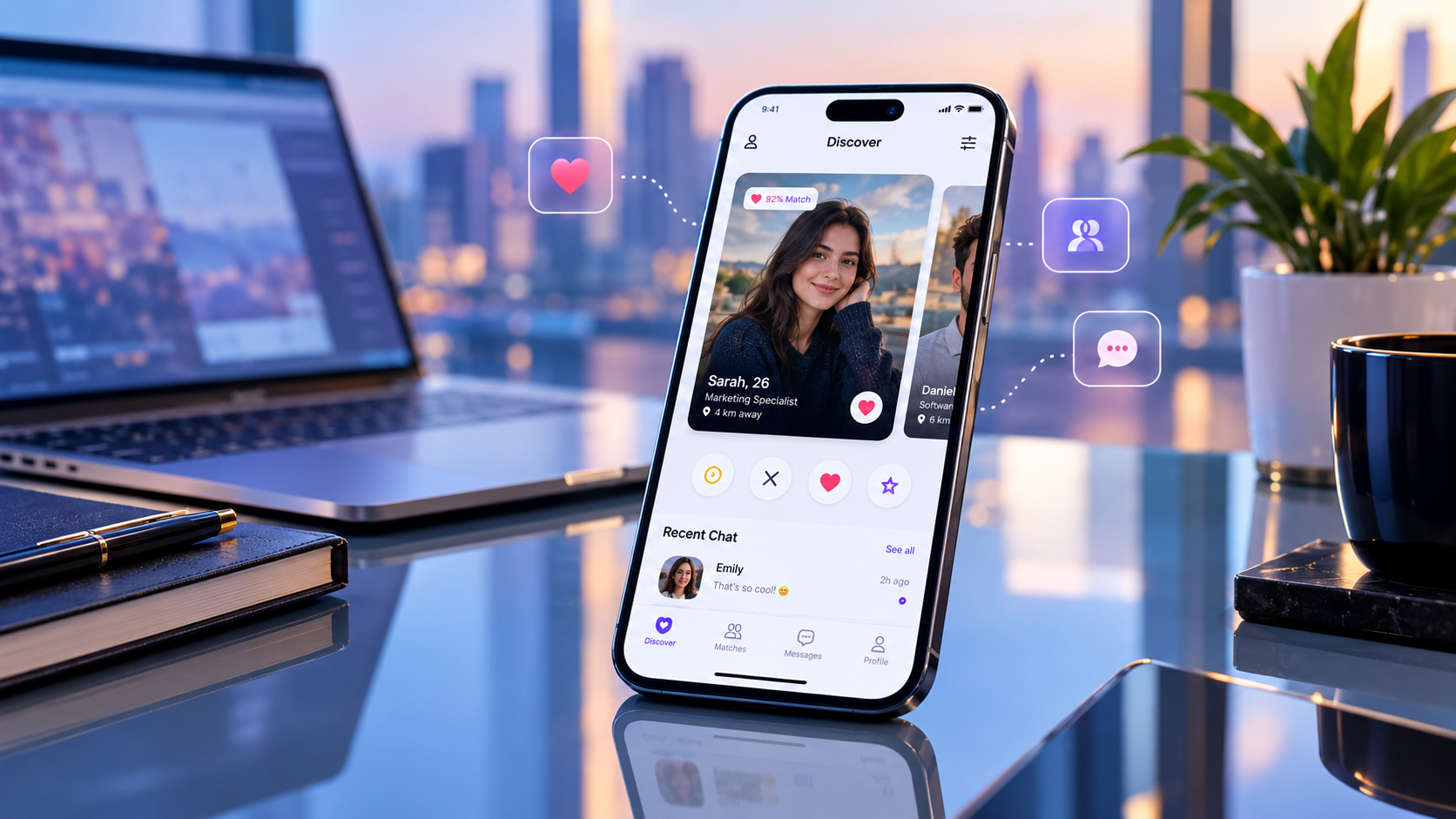
Explore the top 10 dating apps in 2026, compare their features, and find a platform that fits your preferences.
Best Dating Apps in 2026: Top 10 Platforms for Finding Meaningful Connections
Finding the right dating app in 2026 is about more than swiping through profiles. Whether you want a serious relationship, casual dating, new friendships, or a platform that matches your lifestyle, the best choice depends on your preferences, location, budget, and expectations.
Modern dating apps offer different ways to discover potential partners. Some focus on quick matches and large user communities, while others encourage detailed profiles, compatibility questions, or conversations based on shared interests. Many also offer photo verification, reporting tools, and privacy controls to help users navigate online dating more confidently.
In this guide, we explore the 10 best dating apps in 2026, explain what each platform is best suited for, compare their main advantages, and share practical advice for selecting a dating app that meets your needs.
Note: This is an editorial comparison, not a measured ranking based on independent user surveys. Features, subscription prices, and availability can change by country and over time.
What Are the Best Dating Apps in 2026?
The best dating apps depend on what you are looking for. Tinder is a versatile option for meeting new people, Bumble emphasizes intentional connections and safety tools, and Hinge is designed around more detailed profiles and relationship-oriented dating.
Here is a quick overview of the top 10 platforms covered in this guide.
Dating app | Best suited for | Main attraction |
|---|---|---|
Tinder | Meeting a wide range of people | Large international community and flexible dating goals |
Bumble | Intentional dating | Conversation features and safety tools |
Hinge | Relationship-focused dating | Detailed profiles and interactive prompts |
OkCupid | Compatibility-based matching | Questions, preferences, and profile details |
eHarmony | Long-term relationships | Compatibility-focused matchmaking |
Match | Serious dating and relationship exploration | Detailed profiles and discovery tools |
Coffee Meets Bagel | More selective dating | Curated daily recommendations |
Plenty of Fish (POF) | Broad dating preferences | Profile discovery and messaging options |
HER | LGBTQ+ women and queer communities | Dating and community-oriented features |
Grindr | Gay, bisexual, trans, and queer adults | Location-based discovery and community connections |
Availability and features differ across markets. Before registering, check whether an app is officially available in your country and whether its features suit your needs.
1. Tinder — Best for Meeting a Wide Range of People
Official website: Tinder
Tinder remains a widely recognized dating platform for people who want to discover new connections through a simple, swipe-based interface. Users can browse profiles, express interest, and start conversations when interest is mutual.
The platform supports different relationship goals, so users may encounter people interested in casual dating, serious relationships, or simply meeting someone new.
Key features
Swipe-based profile discovery.
Matching when two users express mutual interest.
Profile preferences and discovery settings.
Features such as Music Mode and Double Date, subject to availability.
Photo verification and other safety tools in supported markets.
Advantages
Tinder's familiar interface makes it relatively straightforward for new users to get started. Its broad international presence can also be useful for people who travel or want to meet people beyond their immediate social circle.
Potential limitations
The number of profiles available does not automatically translate into compatible matches. Users may need to spend time improving their profiles and filtering their preferences to find suitable connections. Some features require paid subscriptions.
Who should choose Tinder?
Tinder is worth considering if you want a flexible dating experience, a straightforward interface, and the opportunity to meet people with different relationship goals.
2. Bumble — Best for Intentional Dating and Safety Features
Official website: Bumble
Bumble combines dating with features designed to encourage respectful interactions. Its product experience and available communication options can vary by location and the type of connection a user wants to make.
The platform places visible emphasis on user safety, profile verification, and tools that help people manage uncomfortable interactions.
Key features
Profile discovery and matching.
Photo and ID verification options where available.
In-app voice and video calls in supported markets.
Blocking, reporting, and unmatching tools.
Date-sharing and other safety features where supported.
Advantages
Bumble is a strong option for people who value additional ways to verify profiles and communicate before sharing personal contact details. Its safety resources also provide practical guidance for meeting someone in person.
Potential limitations
The number of suitable matches can depend heavily on your city, age range, and preferences. Certain features and subscription benefits may differ across regions.
Who should choose Bumble?
Consider Bumble if you prefer a dating platform that emphasizes respectful interactions and offers several safety and communication tools.
For more information about its protections, visit the Bumble Safety Center.
3. Hinge — Best for Relationship-Focused Dating
Official website: Hinge
Hinge is designed to help people move beyond a basic photo-based profile. Its profile prompts and interactive features give users more opportunities to show their personality, interests, and preferences.
Rather than relying entirely on a quick impression, users can respond to specific parts of another person's profile to begin a conversation.
Key features
Personal profile prompts.
Photos and other profile information.
Interactions based on specific profile elements.
Matching and conversation tools.
Trust and safety resources.
Advantages
Detailed profiles can make it easier to identify shared interests and start conversations that feel more personal. The format may suit people who want to evaluate compatibility before arranging a date.
Potential limitations
A detailed profile requires more effort to complete and review. The quality of the experience also depends on the number of active, compatible users in your area.
Who should choose Hinge?
Hinge is worth exploring if you want to learn more about a person's interests and personality before deciding whether to connect.
4. OkCupid — Best for Compatibility-Based Matching
Official website: OkCupid
OkCupid emphasizes personal preferences, profile information, and compatibility questions. These features can help users identify people whose values, interests, or relationship expectations appear to align with their own.
For people who care about more than photographs, the platform offers a way to communicate what matters to them.
Key features
Personal profiles and preference settings.
Compatibility questions.
Matching recommendations.
Information about interests and relationship expectations.
Free and paid options, depending on the market.
Advantages
Compatibility questions can provide useful conversation starters and help users identify potential differences in expectations. Detailed profiles also make it possible to explain what you want from dating.
Potential limitations
Compatibility indicators should not be treated as scientific predictions of relationship success. Users still need to communicate openly and assess whether their expectations align in practice.
Who should choose OkCupid?
OkCupid may suit people who prefer thoughtful profile exploration and want to consider values and preferences when evaluating potential matches.
5. eHarmony — Best for Long-Term Relationship Goals
Official website: eHarmony
eHarmony focuses on relationship-oriented matchmaking and compatibility. Its approach is suited to people who are willing to provide information about themselves and spend time considering potential partners.
The platform may appeal to people who prefer a structured process over rapid profile browsing.
Key features
Guided profile creation.
Compatibility-focused matchmaking.
Personal information and relationship preferences.
Suggested matches and communication features.
Subscription options that vary by plan and location.
Advantages
A more structured experience can encourage users to think carefully about their expectations, values, and relationship priorities. This can be useful for people who are primarily interested in a long-term partner.
Potential limitations
The registration process may take more time than simpler dating apps, and subscription costs can be a consideration. A structured matching approach also cannot guarantee compatibility or relationship success.
Who should choose eHarmony?
Consider eHarmony if your primary goal is a serious relationship and you prefer a guided, compatibility-oriented dating experience.
6. Match — Best for People Exploring Serious Dating
Official website: Match
Match offers profile-based dating and discovery tools for people interested in meeting potential partners. Its detailed profile format gives users opportunities to communicate their interests and what they are seeking.
The platform can be useful for people who prefer to evaluate profiles and preferences rather than relying only on quick swipes.
Key features
Detailed dating profiles.
Search and discovery tools.
Personal preferences.
Communication features.
Paid membership options, depending on the market.
Advantages
Match can provide a more deliberate profile-browsing experience. Users who want to communicate their relationship goals clearly may find its profile-oriented approach helpful.
Potential limitations
Some communication or discovery features may require payment. The experience also depends on the active user community in your area.
Who should choose Match?
Match is an option for people who want a dedicated dating platform with detailed profiles and tools for exploring potential long-term partners.
7. Coffee Meets Bagel — Best for Curated Dating Recommendations
Official website: Coffee Meets Bagel
Coffee Meets Bagel takes a more selective approach to profile discovery. Instead of making endless browsing the central activity, the platform emphasizes curated recommendations and more deliberate consideration of potential matches.
This approach may appeal to people who prefer quality over quantity when exploring dating profiles.
Key features
Curated match recommendations.
Profile-based discovery.
Conversation and matching tools.
Preferences for narrowing potential matches.
Optional paid features, depending on the market.
Advantages
A more focused selection of profiles can make dating feel less overwhelming for people who dislike spending long periods swiping. The format may also encourage users to consider potential matches more carefully.
Potential limitations
Fewer recommendations may feel restrictive to users who prefer a large, continuously browsable pool of profiles. Results can also vary according to location and user activity.
Who should choose Coffee Meets Bagel?
Consider this platform if you want a more selective experience and prefer to spend time evaluating a smaller number of potential matches.
8. Plenty of Fish (POF) — Best for Broad Dating Preferences
Official website: Plenty of Fish
Plenty of Fish, commonly known as POF, is a dating platform built around profile discovery and communication. It offers an alternative for people who want to explore different kinds of connections without limiting themselves to one narrow dating format.
Its usefulness depends on whether the platform has an active community that matches your preferences.
Key features
Profile creation and browsing.
Search and discovery options.
Matching and messaging features.
Relationship preference information.
Optional paid features.
Advantages
POF may appeal to users who prefer a traditional dating platform with profile information and multiple ways to explore potential connections.
Potential limitations
A large number of profiles does not guarantee that those profiles are active or compatible. Users should also check which messaging and discovery options are free in their region.
Who should choose POF?
POF is worth comparing with other platforms if you want another profile-based option and find an active local community.
9. HER — Best for LGBTQ+ Women and Queer Communities
Official website: HER
HER is a dating and community platform designed for LGBTQ+ women and queer people. Its community-oriented approach distinguishes it from general-purpose dating applications.
Depending on the features available in a user's region, the experience may include dating discovery and opportunities to connect with people who share similar interests or identities.
Key features
LGBTQ+ focused dating and discovery.
Profiles and matching tools.
Community-oriented features.
Interest-based opportunities for connection.
User reporting and account-management tools.
Advantages
A platform built for a specific community can make it easier to find people with shared experiences and interests. HER may be particularly appealing to users who want both dating and community connections.
Potential limitations
The number of active users and available features can differ substantially by location. Users should review current privacy settings and community guidelines before sharing personal information.
Who should choose HER?
HER is worth considering if you are part of its intended community and want a platform focused on LGBTQ+ dating and connections.
10. Grindr — Best for Gay, Bisexual, Trans, and Queer Adults
Official website: Grindr
Grindr is a location-based social networking and dating platform used by gay, bisexual, trans, and queer adults. Its discovery model emphasizes nearby profiles, allowing users to explore potential connections based on location and preferences.
The app may support different types of social and dating interactions depending on the individual user.
Key features
Location-based profile discovery.
Messaging and connection tools.
Profile preferences.
Paid features and additional discovery options.
Privacy and account-management settings.
Advantages
Location-based discovery can make it easier to find nearby users. The platform is also specifically designed around its intended community rather than being a general dating app.
Potential limitations
Location information can create privacy risks if users share too much personal information. Availability, subscription features, and community size vary by region.
Who should choose Grindr?
Grindr may suit adults in its intended community who want location-based discovery and understand the privacy considerations associated with it.

Best Dating Apps in 2026: Detailed Comparison
Choosing between dating apps becomes easier when you compare their main purposes and the kind of experience they offer.
Platform | Dating approach | Best reason to consider it |
|---|---|---|
Tinder | Swipe-based discovery | Flexible dating goals |
Bumble | Profile discovery and safety-focused interactions | Communication and safety tools |
Hinge | Prompt-based profiles | More detailed conversations |
OkCupid | Question-based compatibility | Exploring values and preferences |
eHarmony | Structured compatibility matching | Long-term relationship goals |
Match | Profile-based discovery | Deliberate partner exploration |
Coffee Meets Bagel | Curated recommendations | A more selective experience |
POF | Profile-based dating | Another broad discovery option |
HER | LGBTQ+ dating and community | Community-specific connections |
Grindr | Location-based discovery | Nearby community connections |
There is no single best dating app for everyone. The strongest choice is the platform that matches your relationship goals, offers a useful local community, and gives you enough control over privacy and communication.
How to Choose the Right Dating App in 2026
Before downloading a dating app, consider the following factors.
1. Identify Your Relationship Goals
Start by deciding what you want from online dating. You might be looking for:
A serious, long-term relationship.
Casual dating.
New friendships or social connections.
A community where you can meet people with shared experiences.
A platform that supports specific preferences or interests.
Choose an app whose main features align with your goals. Be honest about your intentions in your profile so that potential matches can make informed decisions.
2. Check the Active User Community
A popular global app may not be the most useful option in your city. Before paying for a subscription, investigate whether there are enough active profiles in your area.
Consider the age range, interests, languages, and relationship preferences represented in the local community.
3. Compare Free and Paid Features
Most dating platforms offer some free functionality, while additional features may require a subscription or in-app purchase.
Check whether the features you actually need are included in the free version. These may include profile creation, basic matching, messaging, search filters, or visibility controls.
Do not purchase a premium plan simply because it promises more visibility. Compare the available benefits with your actual dating goals.
4. Review Privacy and Safety Controls
Before uploading photographs or providing personal information, review the platform's privacy settings and safety resources.
Look for features such as:
Profile or photo verification.
Blocking and reporting.
Control over profile visibility.
Options for managing location information.
In-app communication tools.
Clear policies for handling reports and suspicious accounts.
Verification can increase confidence, but it is not a guarantee that a profile is genuine or that a person will behave safely.
5. Consider the Registration Experience
Some apps let you create a profile quickly, while others ask detailed questions about your personality, values, and preferences.
Choose an onboarding process that fits your expectations. A more detailed profile may help communicate your personality, but a shorter setup may be preferable if you want to start exploring quickly.
6. Test Before Committing
Where possible, begin with the free version of one or two suitable platforms. Evaluate the quality of matches, the ease of conversation, the available controls, and whether the app feels comfortable to use.
Avoid subscribing to several services at once before understanding which one provides the most value.
Are Dating Apps Safe to Use in 2026?
Dating apps can help people meet, but online interactions require sensible privacy and safety practices. Scams, impersonation, harassment, and unwanted contact remain risks to consider.
The safest approach combines platform tools with your own judgment.
Protect Your Personal Information
Avoid sharing your home address, financial information, identity documents, passwords, or sensitive workplace details with someone you have only recently met online.
Consider using the app's messaging system until you feel comfortable sharing another contact method.
Look for Warning Signs
Be cautious if a person:
Requests money, gift cards, cryptocurrency, or financial assistance.
Pressures you to move immediately to another messaging platform.
Avoids reasonable attempts to establish their identity.
Requests intimate images or sensitive personal information.
Uses threats, manipulation, or urgent financial stories.
Sends suspicious links or asks you to install unfamiliar software.
If something feels wrong, stop communicating and use the platform's reporting and blocking tools.
Arrange First Meetings Carefully
If you decide to meet someone in person:
Choose a public location.
Tell a trusted person where you are going.
Arrange your own transportation.
Keep your phone charged.
Avoid sharing unnecessary personal information.
Leave if you feel uncomfortable.
Review the platform's own safety advice before meeting a new connection. Tinder publishes safety tips for dating online and in person, while Hinge provides a dedicated Trust and Safety resource.
Understand Location and Privacy Risks
Location-based services can make nearby discovery convenient, but they may also reveal information about your routines or approximate whereabouts.
Review location permissions, profile visibility, and data-sharing settings. In particular, consider whether a platform's features are appropriate for your personal circumstances and local environment.
Are Dating Apps Free in 2026?
Many dating apps provide free registration and some basic features. However, access to advanced search filters, additional likes, enhanced visibility, or other premium functions may require payment.
Exact prices and included benefits vary by country, subscription duration, promotional offers, and platform.
Before paying, consider these questions:
Can you create a complete profile without subscribing?
Are basic matching and communication features available for free?
Which specific premium features do you need?
Does the subscription renew automatically?
What is the cancellation and refund policy?
Is the subscription price reasonable for your expected usage?
Always review the current price displayed in the official app or website before completing a purchase.
What About Dating Apps in Qatar and Other Countries With Different Social Norms?
Dating app availability and suitability depend on local laws, cultural expectations, platform policies, and personal privacy needs.
For people living in Qatar or other countries where dating practices and public attitudes may differ from those in other markets, it is especially important to verify local availability and understand the risks of sharing personal information.
Before using a platform:
Check whether the app is officially available in your location.
Review applicable local laws and relevant platform policies.
Understand how your profile, photographs, and location data may be displayed.
Avoid publishing identifying information unnecessarily.
Use only communication and meeting arrangements that feel safe and appropriate for your circumstances.
Do not assume that an app available in one country will offer identical features or an equally suitable experience elsewhere. Availability can also change, so check current official information rather than relying on outdated lists.
The Technology Behind Modern Dating Apps
Dating apps combine mobile interfaces, profile management, search, matching, messaging, notifications, and account security. Some platforms also use recommendation systems to organize profiles according to user preferences and activity.
For businesses exploring a similar digital product, several technology components are particularly important.
User Profiles and Preference Management
A dating application needs a reliable way to manage profile information, photographs, age preferences, interests, and account settings. Developers should collect only the information necessary for the service and give users meaningful privacy controls.
Matching and Recommendation Systems
Matching systems can use declared preferences, profile information, and other permitted signals to recommend potential connections. These systems should be evaluated for relevance, reliability, fairness, and unintended outcomes.
A recommendation is not proof of personal compatibility. Product teams should communicate this distinction clearly.
Messaging and Notifications
Real-time messaging, message delivery, push notifications, and account controls help users communicate efficiently. Applications also need tools for blocking, reporting, rate limiting, and handling abusive activity.
Security and Data Protection
Dating platforms may process sensitive personal information. Secure authentication, access controls, encryption, data-retention policies, and incident-response procedures should be part of the development process.
Privacy should be considered from the earliest design stage rather than added after launch.
Scalability and Performance
As an application grows, it must handle increasing numbers of profiles, searches, messages, and notifications. A suitable architecture helps maintain performance as user activity changes.
Businesses planning a mobile product can explore mobile application development services and custom software development when evaluating their technical requirements.
Final Thoughts
The best dating apps in 2026 are not necessarily the ones with the most features or the largest advertised communities. They are the platforms that help you find suitable connections while respecting your preferences, time, and privacy.
Tinder is a versatile starting point, Bumble offers a range of safety and communication tools, Hinge encourages more detailed profiles, and OkCupid emphasizes preferences and compatibility questions. eHarmony and Match may suit people exploring serious relationships, while Coffee Meets Bagel offers a more selective discovery experience. POF, HER, and Grindr provide additional options for different dating preferences and communities.
Before committing to a subscription, compare the available features, check local availability, and review privacy and safety settings. Approach online conversations thoughtfully, protect your personal information, and remember that a successful connection depends on people—not just the technology used to introduce them.
For businesses interested in building secure, scalable digital platforms, contact Galaxium Coding to discuss software and mobile application requirements.
Frequently Asked Questions
1. What is the best dating app in 2026?
There is no universal winner. Tinder is a versatile option for meeting different people, Bumble emphasizes communication and safety tools, and Hinge offers more detailed profiles. The best choice depends on your relationship goals, location, and preferences.
2. Which dating app is best for serious relationships?
Hinge, eHarmony, Match, and OkCupid are worth comparing if you want to explore relationship-focused or compatibility-oriented dating. Their features and local user communities differ, so compare them before subscribing.
3. Which dating apps can I use for free?
Many platforms, including Tinder, Bumble, Hinge, OkCupid, and others, offer some free functionality. The exact features available without payment vary by platform and country.
4. Are dating apps safe?
Dating apps offer different safety tools, but no platform can eliminate every risk. Review profiles carefully, avoid sending money, protect personal information, and meet in public places when arranging a first date.
5. Which dating app is best for compatibility?
OkCupid emphasizes compatibility questions, while eHarmony focuses on structured compatibility-based matchmaking. Hinge also offers detailed profile prompts that can help users assess shared interests.
6. Which dating apps are designed for LGBTQ+ users?
HER is designed for LGBTQ+ women and queer communities, while Grindr serves gay, bisexual, trans, and queer adults. Individual preferences, local availability, and privacy considerations should guide the choice.
7. Do dating apps require a paid subscription?
Not always. Many dating apps allow users to register and access basic features without payment. Additional features may require a subscription, and prices vary by location and plan.
8. How can I identify a fake dating profile?
Look for inconsistent profile details, suspicious links, unusual requests for money, pressure to move off-platform, or repeated avoidance of reasonable identity checks. Use verification features where available, but remember that a verified badge does not guarantee a person's intentions.
9. Can I use dating apps in Qatar?
Availability and suitability depend on the platform, current local conditions, and applicable laws. Check official app availability and consider local privacy, cultural, and safety factors before creating a profile.
10. What should I look for before choosing a dating app?
Consider your relationship goals, local user activity, free and paid features, profile options, privacy controls, reporting tools, and subscription terms. Testing the free version first can help you make a more informed decision.